What to do with your old disposable vapes now they're banned
Last updated 16 September 2026
If you've still got a couple of old disposables lurking in a kitchen drawer or the bottom of a bag, you're not alone, and you haven't done anything wrong. The ban that came into force on 1 June 2025 stopped shops selling disposable vapes, it didn't make it illegal to own the ones you already had. What it does mean is there are now a lot of dead or half-used disposables sitting around UK homes with nowhere obvious to go. Here's what to actually do with them.
You're allowed to keep and use them
To be clear on the legal point first: personal possession of a single-use vape was never made an offence. According to GOV.UK's guidance on the single-use vapes ban, the regulations target businesses selling or supplying disposables, not individuals who already own them. If you've got a few left from before the ban, you can carry on using them until they run out. This guide is really about what to do once they're empty or broken, which is where most people get stuck. For the full picture of what changed and why, see our explainer on the disposable vape ban and what to use instead.
Why they can't just go in the bin
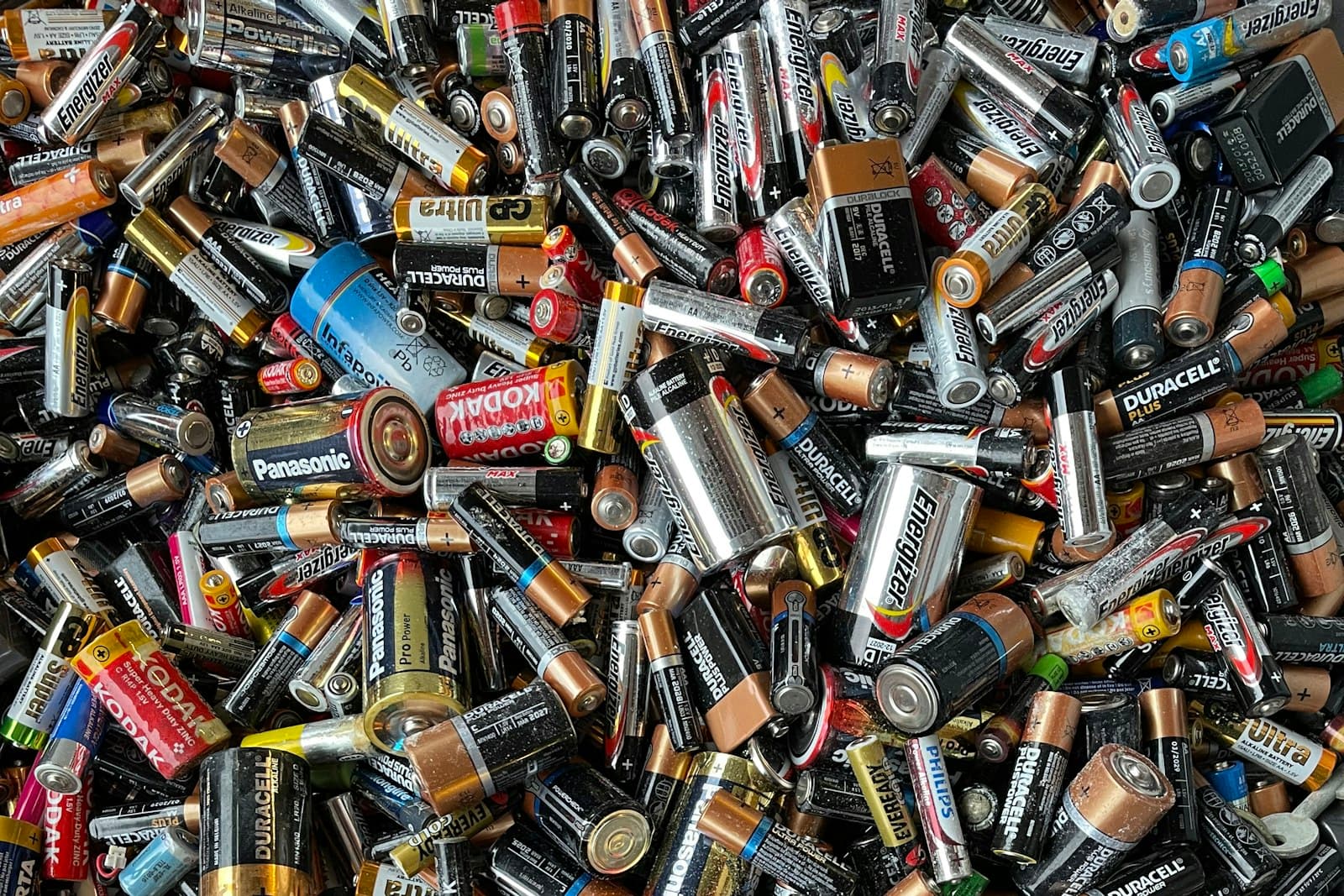
Every disposable vape has a small built-in lithium-ion battery, the same broad type used in phones and laptops. That makes it electronic waste, not general rubbish, and it's covered by the UK's Waste Electrical and Electronic Equipment (WEEE) regulations. Putting one in a normal bin or a mixed recycling bin isn't just against the rules, it's genuinely risky. When a lithium battery gets crushed or punctured, by a bin lorry compactor or sorting machinery at a recycling centre, it can short-circuit and catch fire. UK councils and waste operators have reported a sharp rise in bin lorry and recycling-centre fires linked to batteries in general waste, and loose vapes are one of the most commonly cited causes.
Beyond the fire risk, there's a straightforward environmental argument too. The battery, along with the small amount of copper and other recoverable material inside a vape, is worth reclaiming rather than sending to landfill. Recycling them properly keeps that material in use and keeps lithium out of general waste streams, where it doesn't break down safely.
Where to actually take them
You've got a few genuinely easy options, and you don't need to hang on to a dead vape for weeks waiting for a special collection.
- Any shop that sells vapes. Retailers that sell vapes, in person or online, are legally required to take back used vapes and vape parts such as pods, coils and batteries for recycling, free of charge and regardless of the brand or whether you're buying anything. Most vape shops have a small collection box near the till.
- Large supermarkets and electricals retailers. Bigger stores that sell electrical goods or batteries are increasingly required to offer a small-electricals or battery take-back point too, so it's worth checking near the entrance or customer service desk.
- Your household waste recycling centre (HWRC). Every local authority tip has a dedicated area for batteries and small electricals, separate from general skips.
- A postcode locator. The industry-backed Recycle Your Electricals campaign lets you search by postcode for your nearest vape and battery recycling point, including shops and supermarkets near you.
None of these involve any cost to you. The take-back duty exists precisely so that leftover devices don't end up in general waste because there was nowhere convenient to put them. If you've got a small handful of old devices rather than just one, it's worth putting them all in a small box or bag by the door and dropping the lot off together next time you're passing a vape shop or supermarket, rather than trying to deal with them one at a time.
A few common questions
Do I need to take the battery out first? No, and you shouldn't try. Disposable vapes aren't designed to be opened by hand, and attempting to prise one apart to remove the battery separately is far more likely to cause an injury or a fire than simply handing the whole device in intact.
What if I bought some from abroad, or before the ban, and they're still sealed? You can still use them. The ban stopped UK sale and supply from 1 June 2025, it didn't recall or ban devices already in people's possession, wherever they were bought.
Can my council collect them at the kerbside with normal recycling? Almost never. Standard kerbside recycling collections aren't set up to handle lithium batteries safely, which is exactly why dedicated vape and battery collection points exist separately. Check your local authority's website if you're unsure what your area supports, but a vape shop or HWRC will take one regardless of what your council collects at the kerb.
What to do with one before you recycle it
You don't need to do anything complicated to a disposable vape before taking it for recycling, just don't try to take it apart, puncture it or burn it yourself. Keep it away from other loose batteries and away from heat (a hot car glovebox or a radiator shelf isn't a good place to store one while it waits to be dropped off), and take it in as it is. If a device has been damaged, is swollen, or is leaking, that's still fine to hand in at a collection point, just mention it if you're handing it to a member of staff rather than posting it in a self-service box.
If you're ready to stop using disposables altogether
Recycling what you've got left is one thing, but if you're looking for something to replace disposables going forward, a small refillable pod kit is the closest match for most people. We cover what to look for, and how to keep the battery going through a full day, in our guide to refillable pod kits that feel like a disposable and how to make your pod kit battery last all day. Either way, once a device (disposable or reusable) reaches the end of its life, the same rule applies: it goes to a proper vape or electricals recycling point, never in the bin.